

.webp)
What to Do with a Financial Windfall or Inheritance: Mistakes to Avoid
When you’re deciding what to do with a windfall, the proper early steps can set the tone for everything that follows. Many people encounter financial difficulties after receiving a sudden windfall of money because they spend too quickly, overlook taxes, or rush into investments without a plan. Slowing down and creating a clear path forward gives you room to make steady, long-term decisions.
Key Takeaways
- A thoughtful plan gives your windfall direction and keeps decisions steady over time.
- Tax planning, investment choices, and estate documents work best when they are interconnected.
- Diversified portfolios lower the chance that one holding will dominate your financial future.
- Trusts, charitable tools, and governance plans preserve wealth across generations.
- Specialized advisors can guide individuals through situations such as inheritances, business sales, or equity events.
Strategic Tax Mitigation: Keeping More of Your Windfall
When you receive a financial windfall, taxes can take a large portion if you don’t plan ahead. A clear strategy gives you room to manage the timing of taxes, reduce exposure, and pair tax planning with your long-term goals. Below, we’ll outline key steps, products, and comparisons to guide your approach.
The Impact of Proactive Tax Planning
Proactive planning gives you more control over how much of your windfall you keep. Legislative changes such as the Tax Cuts and Jobs Act (TCJA) and rules around the Qualified Business Income (QBI) deduction shape how income, gains, and business earnings are taxed.
Reviewing these areas early makes it easier to decide when to realize gains, how to structure withdrawals, and how to pair tax decisions with your investment plan. Integrating these choices upfront reduces avoidable tax drag and keeps your strategy steady.
Key Tax-Efficient Products and Strategies
Several tax-focused tools can ensure you keep more of your windfall without rushing decisions. Opportunity Zones give investors a chance to defer capital gains when they place those gains in a Qualified Opportunity Fund. The IRS notes that taxes on eligible gains can be deferred until an “inclusion event” or December 31st, 2026, whichever comes first. Holding the investment long enough might also raise the basis of the deferred gain.
Charitable trusts add another way to reduce taxes while supporting causes that are important to you. A trust can also give you an income stream and a potential deduction. Real estate investors often look at 1031 exchanges to defer capital gains by moving from one investment property to another, which keeps capital working instead of going toward taxes.
Comparing Advanced Tax Mitigation Options
You can weigh tax-focused strategies by how they handle timing, flexibility, and long-term planning. The table below gives a quick side-by-side view.
Tax Planning Mistakes to Avoid
One mistake that people often make is handling tax planning and investment decisions separately. When these choices don’t go together, you might take gains at the wrong time or overlook tax placement. Another issue is ignoring state and local tax (SALT) limits, which can impact your final tax bill more than expected. High-net-worth households may also miss opportunities tied to estate and gift exemptions, which reduces flexibility for future planning. Addressing these areas early keeps your windfall more stable.
Advisor Cost Structures for Tax Planning Strategies
Advisors use different billing models, and understanding them ensures you choose the structure that fits your needs. Some charge a flat fee for developing a tax plan, while others charge based on assets or hourly consultations. The table below outlines the differences.
Investment & Portfolio Structuring for Lasting Growth
When you think about how to invest a windfall, the goal is to create a plan that stays steady through market swings and fits your long-term needs. Below, we’ll go over how to structure your portfolio, use key investment models, choose the proper partner, and avoid common mistakes that can hinder long-term growth.
Foundational Principles of Strategic Asset Allocation
Strong portfolio design starts with broad diversification, particularly when you’re investing a windfall. Spreading money across different asset classes reduces the impact of any single holding. Tax-efficient asset placement and tax-loss harvesting give you more control over how gains appear on your tax return. Some investors also use hedging tools to manage exposure during uncertain periods.
In fact, research shows how uneven stock market results can be, as only about 2.4% of listed global companies produced the net $75.7 trillion in long-term stock market wealth. Furthermore, most U.S. stocks underperformed one-month Treasury bills over their lifetimes, highlighting why diversified allocation is vital.
Core Investment Products and Models for UHNW
High-net-worth and ultra-high-net-worth (UHNW) investors often work with both public and private markets. Public equities and bonds create a base for liquidity and steady access. Private equity, hedge funds, and private credit give investors a chance to pursue returns that move differently from public markets. Some families build custom asset allocation models that match their cash flow, tax situation, and long-term goals. These models adjust as life events, market cycles, and new opportunities appear.
Major Investment Mistakes to Avoid with Sudden Wealth
A frequent mistake is heavy concentration in one asset, especially when the windfall comes from company stock, a business sale, or a single real estate holding. Concentration raises risk if that asset loses value. Another issue is ignoring the tax impact of frequent trading or significant gains taken at the wrong time. Sudden wealth can also lead to tying too much money in illiquid assets, which limits access when you need it.
Cost Structures for Portfolio Structuring and Management
Portfolio management fees vary based on the level of service. Many advisors charge an asset-under-management (AUM) fee, which scales with the size of your portfolio. Some private wealth firms also charge separate fees for planning, investment reviews, or access to private market opportunities. Understanding these structures makes it easier to choose the level of involvement that fits your long-term plans.
Wealth Management & Estate Planning for Legacy Preservation
When you think about what to do with inheritance money, estate planning becomes an essential part of shaping how your wealth moves across generations. Clear structures give you control over how assets pass to family members, charities, and future decision-makers. Below, we’ll walk you through the tools, advisors, and common challenges that appear during this stage of planning.
Establishing the Importance of Legacy Preservation
Legacy planning gives your money direction beyond day-to-day needs. Trusts let families transfer wealth while avoiding probate and keeping control over how assets pass to heirs. Some families work with family offices for ongoing guidance across investing, planning, and long-term coordination. Charitable giving structures also allow you to support causes you care about while shaping a lasting message for future generations.
Essential Estate Planning Tools and Structures
A revocable trust gives you flexibility during your lifetime and a clear path for distributing assets later. Some families also create charitable foundations to support long-term giving goals. These tools often tie into broader governance plans, which outline family roles, decision-making, and how responsibilities pass from one generation to the next. A steady structure ultimately keeps expectations clear.
Selecting the Best Estate and Wealth Advisors
Estate planning attorneys handle the legal setup for trusts, wills, and related documents, while wealth management firms integrate those structures with investment, tax, and long-term planning. Some families also enlist the help of philanthropic advisors who guide their charitable giving decisions and match donation strategies with their family values. The mix of advisors depends on the size of the estate and the level of coordination you require.
Frequent Estate Planning Challenges and Solutions
Families often face obstacles during the estate planning process. The table below highlights some frequent challenges and practical ways to address them.
Cost Structures for Estate Planning and Advisory Services
Estate planning attorneys might charge a set fee for creating trusts, wills, and related documents, with costs rising as difficulty increases. Some investors who want broader guidance may pay annual fees for family office services, which can include planning, investment oversight, and administrative support. The proper level depends on how much ongoing involvement you want from professionals.
Windfall-Specific Financial Planning and Best Practices
Windfalls create a different set of financial pressures than long-term savings or steady income. A clear structure gives you room to slow down, review your options, and make choices that support long-term stability. Below, we’ll walk you through the unique dynamics of sudden wealth, the types of advisors who focus on these situations, and the behavioral patterns that often influence outcomes.
Understanding Unique Windfall Dynamics
A sudden payout can change your financial life quickly. However, it also raises the chance of running into trouble later. One study of Florida lottery winners found that people who received lump-sum wins of about $50,000 to $150,000 were less likely to file for bankruptcy during the first two years after winning, but more likely to file three to five years later. It was concluded that large cash transfers “only postpone, rather than prevent,” bankruptcy.”
This pattern shows why structured planning is crucial. When you map out goals, taxes, spending, and investing early, you create steadier habits that carry you through the first burst of excitement and into a long-term plan.
Tailored Windfall Management Solutions
Some firms specialize in sudden wealth and offer guidance for liquidity events, inheritances, or significant payouts. They help clients set up timelines for distributing cash, reviewing taxes, and putting money into long-term investment structures. People going through an IPO (Initial Public Offering) or managing executive compensation often use staged planning to match vesting schedules, payout dates, and tax windows. These services give you clarity on how much to set aside, how much to invest, and how to pace decisions.
Advisors Focused on Specific Windfall Scenarios
Windfall situations often need advisors with narrow expertise. IPO-focused advisors understand equity compensation, blackout periods, and liquidity rules. Business-sale advisors work with clients facing earn-outs, deal structures, and transition planning. Inheritance specialists help families review estate documents, coordinate with attorneys, and ensure the money matches any long-term goals. Pairing the type of advisor with your situation gives you support that fits your timing and priorities.
Key Behavioral Mistakes to Avoid with Sudden Wealth
A quick payout can lead to rapid spending, impulsive moves, or scattered decisions. Some people experience “unexpected wealth syndrome,” which can manifest as anxiety, avoidance, or rushed choices. Another mistake is skipping the step of establishing a coordinated plan across your taxes, investing, and long-term accounts. Reviewing the plan regularly gives you more stability and direction.
Investment in Windfall Advisory Services
The cost of sudden-wealth planning varies based on the type of guidance you want. Some advisors charge a one-time flat fee for an initial plan. Others charge ongoing fees for continued service or for assistance with investing, tax planning, or liquidity reviews. Your choice depends on how involved you want the advisor to be once the plan is in place.
Securing Your Long-Term Financial Future
A windfall can open new doors. However, the way you plan, invest, and pace your decisions shapes how long that money lasts. Bringing together tax planning, investing, estate work, and steady spending habits gives you a structure you can depend on for years to come.
Not Sure What to Do Next?
If you’ve recently received, or expect to receive, a windfall or inheritance, you don’t have to navigate it alone. Book an appointment with me to talk through your options and create a strategy that aligns with your goals.
FAQs
How much money is considered a windfall?
A windfall is any amount of money you weren’t expecting and didn’t earn through regular work. It could come from an inheritance, a legal settlement, a business sale, or even a lottery win. There’s no formal dollar cutoff — what matters is that the amount is large enough to change your financial plans or daily life.
What is the 7-3-2 rule?
The 7-3-2 rule explains how compounding can speed up your wealth over time. It shows that:
- Your first big savings goal usually takes the longest to reach — about 7 years with steady investing.
- Hitting the next milestone often takes around 3 years, because your earlier growth is now working for you.
- Reaching the third milestone may take only 2 years, since your money is compounding on a much larger base.
The idea behind the rule is simple: The early years feel slow, but once compounding builds momentum, progress happens much faster. It’s a reminder to stay patient at the beginning, because the real acceleration comes later.
What is the 70/20/10 rule for money?
The 70/20/10 rule is a basic budgeting strategy. You spend up to 70% of your take-home income on everyday living, use 20% for saving or investing, and reserve 10% for giving or personal goals. People use it to stay balanced and to avoid overspending after coming into new money.
What are the pitfalls of a windfall?
Common pitfalls include spending too quickly, taking on new long-term costs without a plan, and assuming the money will last longer than it actually will. Sudden wealth can also bring pressure from friends or family and lead to emotional decisions if you don’t pause and create structure first.
What are the biggest financial mistakes after a windfall?
Major mistakes include tying up too much money in illiquid assets, ignoring taxes until the last minute, and making big investment moves without understanding risk. Another common error is skipping professional guidance, which can lead to missed opportunities and avoidable losses.
How to handle a sudden financial windfall?
A helpful first step is to slow down and set aside time to understand what you’ve received. Many people open a separate account, review tax obligations, and outline short-term spending limits. From there, building a long-term plan with advisors can help match the money to your goals and reduce stress.
What is the first thing you should do when you inherit money?
The first step is to pause before making changes. Inheritances often come during emotional moments, so giving yourself time helps you avoid rushed decisions. It’s also wise to confirm what taxes or estate responsibilities apply before moving or investing the funds.



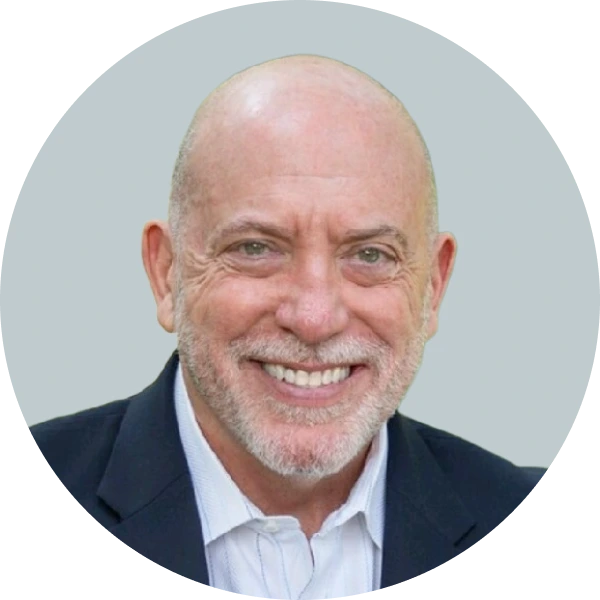
Todd is a financial advisor based in Vancouver, Washington, with over 30 years of experience helping individuals, families, and business owners create financial clarity and confidence. Whether you’re preparing for retirement, navigating investment decisions, or looking to strengthen your long-term financial strategy, Todd can provide guidance, structure, and a partnership you can count on.

Works Cited
- Opportunity zones frequently asked questions
- Do stocks outperform Treasury bills?
- The Ticket to Easy Street? The Financial Consequences of Winning the Lottery
All advisory services are offered through Savvy Advisors, Inc. (“Savvy Advisors”), an investment advisor registered with the Securities and Exchange Commission (“SEC”). Savvy Wealth Inc. (“Savvy Wealth”) is a technology company and the parent company of Savvy Advisors. Savvy Wealth and Savvy Advisors are often collectively referred to as “Savvy”.
This article is provided for informational and educational purposes only and should not be construed as personalized financial, tax, or legal advice. Inheritance and windfall planning strategies depend on each individual’s unique circumstances, including tax status, estate considerations, and long-term financial goals. Readers should consult with their financial, tax, and legal professionals before making any decisions regarding inherited assets or other significant windfalls.
Material prepared herein has been created for informational purposes only and should not be considered investment advice or a recommendation. Information was obtained from sources believed to be reliable but was not verified for accuracy. All advisory services are offered through Savvy Advisors, Inc. (“Savvy Advisors”), an investment advisor registered with the Securities and Exchange Commission (“SEC”).

.webp)

