


Reinvent wealth,
build what's next
Join us in making financial advice easier to deliver.

A letter from our CEO

I grew up in an immigrant household where money was a constant undercurrent of stress. That anxiety followed me even after I sold my first two companies. You'd think financial success would fix it. It didn't.
What did help was talking to someone I trusted.
But delivering that advice is harder than it should be. Advisors are buried in back-office work and tools that weren't built for them. The people who could help the most are stretched too thin.
Our mission is to make great financial advice easier to deliver. We are a registered investment advisor (RIA) partnering with independent financial advisors to help make that a reality.
We're a small team building something that I think will change this industry. If that sounds like work worth doing, I'd love to have you here.
Let's make it happen.

Founder & CEO










We come back to these values when we're hiring, when we're stuck, and when we're deciding what matters most
Champion the advisor
We put advisors first by anticipating their needs, removing friction, and measuring our success by their impact.
Invent the future
We challenge legacy systems, rethink with first principles, and build what the industry will follow next.
Win together
We leave ego at the door, debate with conviction, and execute as one team.
Compound daily
We compound through consistent progress, lean from failure, and raise the bar for ourselves and each other.
Seek truth
We question relentlessly, dig deeper than others, and choose truth over convenience.
Own the outcome
We act like owners, move with urgency, and take responsibility end-to-end.

Hybrid NYC office
Union square, four days a week. We show up together for the work that requires it: white boarding, problem-solving, and the kind of speed you only get face to face.

Daily free lunch
Lunch is on us every day you're in the office. It's one less thing to think about, and a reason for everyone to gather together.

Full health coverage
Medical, dental, and vision are fully covered. Because worrying about insurance is a distraction from great work.

Unlimited PTO
We trust you to take what you need, and leadership sets the example so people actually do. Rest is how you sustain your best work.

Parental leave
Fully paid for all parents. Growing your family and growing your career should happen on the same timeline, and here they do.

Events & activities
Company-wide retreats, team dinners, employee-led clubs. The culture you'll still be talking about at your next job.
This is where top talent builds
The people building Savvy have scaled some of the most important companies in fintech and run money at the highest levels of Wall Street. We move fast, set a high bar, and we're looking for people who do the same.

We're hiring people who want the hard problems
Wealth management runs on decades-old infrastructure. We're rebuilding it, with advisors. Find your seat below.
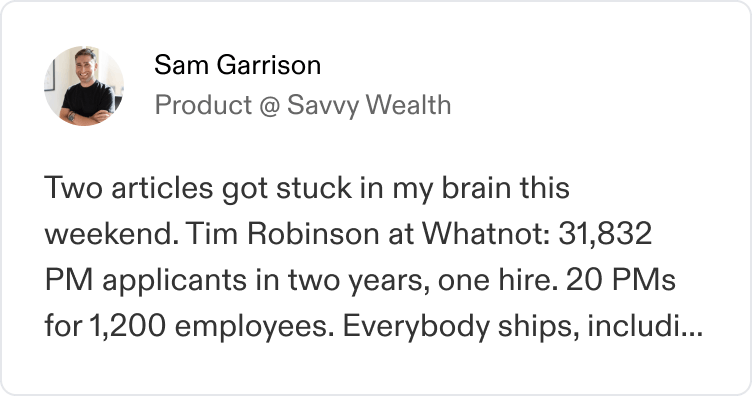
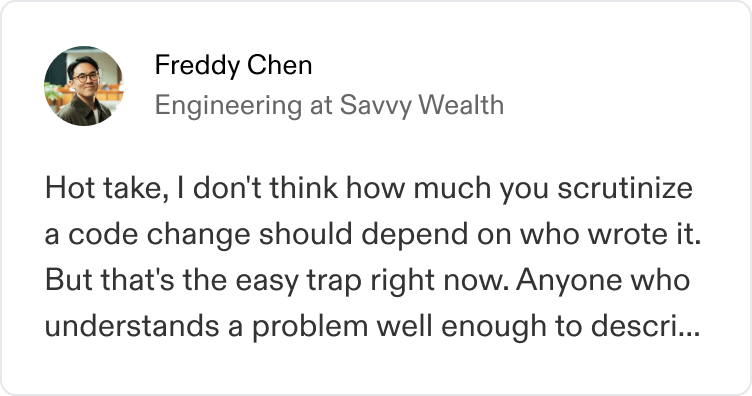
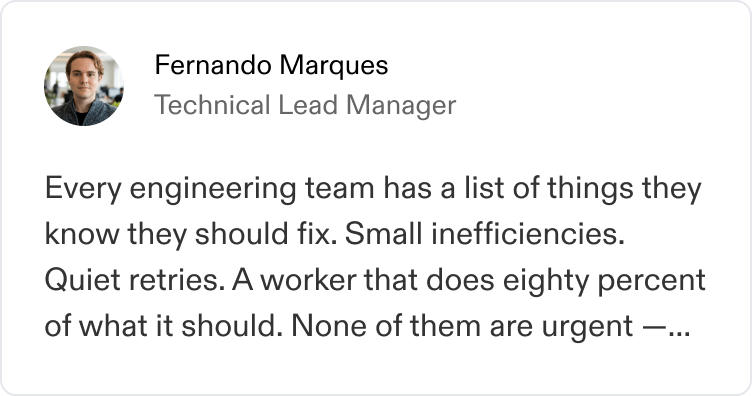
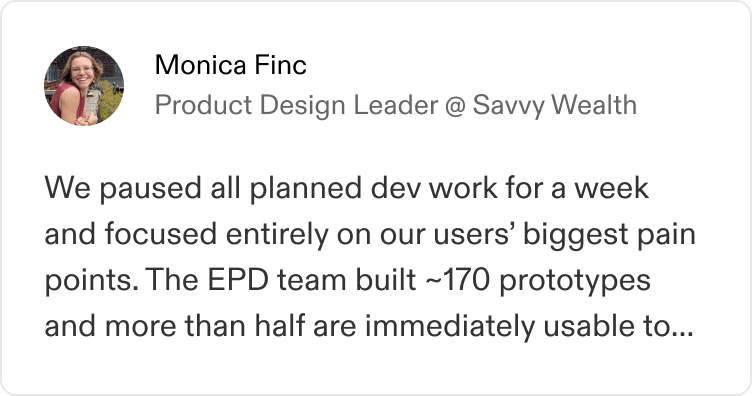
See what we’re building
Go behind the scenes with the engineers, product managers, and designers building Savvy, and see how ideas become products.

Savvy announcements
Stay updated with the latest updates and announcements from Savvy.




FAQ
Our process is designed to give both sides the insight needed to make a confident decision efficiently and with respect for your time. You can expect four stages: a recruiter screen, a hiring manager interview, a case study, and an onsite. We aim to move quickly, provide clear timelines, and keep candidates informed throughout the process.
We’re an AI-forward company, and AI is embedded in how our teams work every day. AI is used to help our recruiting team streamline parts of the hiring process, such as organizing information and improving efficiency, but hiring decisions are made by people.
Our actual interview process is designed to assess your thinking, judgment, and problem-solving abilities directly. We’re interested in how you approach problems and how you thoughtfully leverage modern AI tooling in your work.
We're headquartered in New York City.
Yes. All NYC-based roles operate on a hybrid schedule: in-office Monday, Tuesday, Thursday, and Friday, with Wednesday as an optional work-from-home day. Employees also receive 12 additional WFH days per year to use at their discretion.
All new hires participate in Basecamp, our structured onboarding program designed to provide a broad understanding of Savvy’s business, teams, and culture through sessions with leaders across the company.
In addition to department-specific onboarding, Basecamp includes interactive workshops on topics such as effective communication, Equity 101 and understanding the value of your compensation package, and how we hire and build high-performing teams. Throughout the program, you’ll have opportunities to connect with colleagues across the organization and build relationships from day one.
For employees on teams based outside of our New York City headquarters, Basecamp also provides an opportunity to travel and meet colleagues in person.
We run promotion cycles twice a year, giving employees a clear and consistent cadence for advancement. Every role has a defined career path so you always know what success looks like and what it takes to get to the next level. We also actively support internal mobility and there are plenty of examples of team members who have grown across teams and departments at Savvy Wealth.