



Guide to Financial Advisor Marketing: Strategies, Plans, Tools, and Templates

Financial advisor marketing has changed, and relying on referrals alone no longer creates steady growth. Advisors today face more competition, more informed prospects, and higher expectations before a first meeting even happens. A clear, repeatable marketing approach gives you more control over who finds you, how they learn about services, and when they decide to reach out.
Below, we’ll walk you through marketing for financial advisors who want predictable results instead of waiting for word-of-mouth to carry the load. It focuses on building a connected system rather than isolated tactics. Each channel plays a role, and when they work together, marketing becomes easier to manage and measure.
In this guide, you’ll learn:
- Why a financial advisor marketing plan matters for long-term growth.
- Which digital channels deserve your attention, and how compliance fits in.
- How content marketing builds authority and attracts qualified prospects.
- Practical marketing ideas you can apply without overcomplicating your approach.
- How SEO drives consistent discovery over time.
The Foundation: Why a Financial Advisor Marketing Plan is Critical
A financial advisor marketing plan gives structure to how you attract and convert clients. Instead of reacting to opportunities as they appear, a plan sets direction and priorities. Below, we’ll explain why planning is vital and what goes into a marketing plan for financial advisors that can scale over time.
Moving Beyond Referrals
Referrals are still essential, but a financial planner marketing strategy built only on referrals limits growth. Referrals arrive on someone else’s timeline rather than yours. That makes it harder to predict revenue or control the type of clients you attract.
A defined financial advisor marketing strategy puts you back in control. With a set plan, you can attract prospects who match your ideal profile, reach them earlier in their decision process, and create consistent demand for your services. Over time, this approach builds name recognition in your market and reduces dependence on any single source of new clients.
Advisors who move beyond referrals also gain flexibility. You can test new channels, refine messaging, and adjust your approach based on actual results instead of guesswork.
Core Elements of a Comprehensive Plan
A good marketing plan for financial advisors begins with transparency. You need to know who you want to reach, what you want to achieve, and how you will measure progress.
Most plans include:
- Target audience definition, such as age range, income or net worth, career stage, and financial priorities.
- Clear goals and metrics, like new clients per quarter, assets under management growth, or qualified leads.
- Budget allocation across content, digital marketing, events, and paid promotion.
- Channel selection based on where your audience spends time, such as LinkedIn, email, search, or local partnerships.
- Competitive review to see how other advisors market themselves and where you can stand out.
- An implementation timeline that sets realistic launch and review dates.
Each element works together, so when one piece is missing, marketing becomes inconsistent and more difficult to evaluate.
If you want a deeper breakdown, you can learn the step-by-step process for building your custom plan in How to Build a Financial Advisor Marketing Plan.
Modern Growth: Leveraging Digital Marketing
Digital marketing for financial advisors shapes how prospects find you and decide if they want to reach out. Most people research online before booking a call, which makes your digital presence a core part of marketing for financial advisors. Below, we’ll break down the main channels and explain how to use them without losing sight of compliance.
The Digital Transformation in Wealth Management
Digital marketing has changed how advisors connect with prospects. Your website, email, and online profiles often make the first impression long before a conversation occurs. A clear online presence gives prospects a way to learn about your approach, services, and experience on their own time.
For financial advisors, digital marketing includes your website, email outreach, paid ads, and social platforms. Each channel plays a different role. Together, they create a consistent experience that guides prospects from discovery to contact.
Key Digital Marketing Channels
Website and SEO Foundation
Your website acts as your central marketing asset. It needs clear messaging, simple navigation and mobile-friendly design. Website optimization also impacts how well you rank for financial advisor marketing keywords in search results. Make sure to include credentials, client feedback where allowed, compliance language, and clear next steps so visitors know how to contact you.
Email Marketing
Email keeps you visible to both prospects and current clients. Regular updates, educational content, and timely reminders create familiarity over time. You can also segment your list by audience type so messages stay relevant. Email also falls under regulatory review, so every campaign for RIAs must meet SEC (U.S. Securities and Exchange Commission), while broker dealers must adhere to FINRA (Financial Industry Regulatory Authority) guidelines.
Paid Advertising (PPC)
Paid ads let you reach people who actively search for financial guidance. Google Ads and LinkedIn Ads work well for targeting service-based searches such as retirement planning or investment management. Also, make sure to track cost per lead and conversions closely so spending stays focused on what performs.
Social Media Strategy
LinkedIn remains the most effective platform for wealth management marketing. It works well for sharing insights and publishing articles, as well as engaging with professional networks. Facebook and Instagram support educational posts and community engagement, too. At the same time, short-form video platforms like YouTube or TikTok can highlight your perspective and experience in a more personal way.
Compliance Considerations
Marketing for financial advisors operates within strict regulatory boundaries. Every website update, email campaign, ad, and social post must follow SEC for RIAs, FINRA for Broker Dealers, and state rules. This appeals to testimonials, performance claims, and even how services are described. Using platforms built for financial services makes it easier to manage approvals and maintain consistency.
For a deeper look at execution across channels, you can discover the complete playbook in Digital Marketing for Financial Advisors: What Actually Works.
Building Authority with Content Marketing
Content marketing for financial advisors plays a direct role in how prospects evaluate your expertise. Before someone contacts you, they often read, watch, or download content to decide if your approach fits their needs. Below, we’ll explain how content supports your financial advisor marketing strategy and how to turn it into consistent demand.
Establishing Expertise and Trust
Clear, practical content shows prospects how you think and how you work. Instead of leading with a sales message, content gives people answers to questions they already have. This approach works well in wealth management because financial decisions require understanding and clarity.
When you publish consistent, well-written content, you set expectations early. Prospects then arrive with more context, which leads to better conversations and fewer mismatched inquiries.
Why Content Marketing Works for Financial Advisors
Content marketing supports multiple goals at once. It improves visibility, shortens the decision cycle, and promotes long-term growth.
Key reasons content works include:
- It demonstrates experience and authority, which matters for YMYL (Your Money or Your Life) topics.
- It educates prospects before the first call, so conversations begin at a higher level.
- It attracts organic traffic through search when the content answers actual questions.
- It creates assets you can reuse across email, social media, and digital campaigns.
Over time, this content becomes a library that continues to attract qualified prospects without constant promotion.
Content Types to Consider
Different formats serve different roles in marketing for financial advisors. A balanced mix keeps your messaging consistent across channels.
Blog Articles
Long-form blogs let you go over planning topics in depth. Common formats include retirement guides, market commentary, and anonymized client examples.
Videos and Webinars
Video content breaks down complex ideas in a more direct way. Webinars work well for education-focused topics and live market discussions.
Whitepapers and Guides
Downloadable resources focus on specific planning moments, such as retirement or college funding. These assets also work as lead magnets that build your email list.
Infographics and Visual Assets
Visual formats simplify timelines, comparisons, and planning concepts. They also work well for social sharing and presentations.
The Content-to-Conversion Path
Effective content marketing creates a clear path from awareness to action. Educational content draws attention, deeper resources support consideration, and focused calls to action guide prospects toward a conversation. Each piece should connect naturally to the next step.
For a full framework of examples, you can get the complete playbook in Content Marketing for Financial Advisors: A Practical Playbook.
Tips for Growing Your Practice: 21 Actionable Marketing Ideas
A solid plan and clear channels only work if you put them into action. Below, we’ll focus on marketing ideas for financial advisors that translate strategy into visible activity. These tactics show how to market yourself as a financial advisor in ways that are practical and repeatable.
From Strategy to Execution
Execution turns planning into momentum. Many advisors understand what they should do but struggle with consistency. These ideas focus on actions you can schedule, track, and refine over time. Each tactic supports visibility, relationships, or lead generation without adding unnecessary layers.
Categories of Proven Tactics
Networking and Relationship Building
- Host quarterly educational webinars for prospects and referral partners.
- Join or lead professional associations at the local or national level.
- Build partnerships with CPAs (Certified Public Accountants), estate attorneys, and business consultants.
- Sponsor community events or nonprofits that reflect your values.
Client Experience and Referral Generation
- Create a structured referral program with clear expectations.
- Plan client appreciation events on a quarterly or annual basis.
- Feature anonymized client spotlights on your website or social channels.
- Request written or video testimonials where regulations allow.
LinkedIn and Social Strategy
- Publish weekly thought leadership posts.
- Comment on and share insights from your network.
- Use LinkedIn articles for long-form content.
- Launch a LinkedIn Newsletter so you’re visible in inboxes.
Content and Educational Marketing
- Publish one to two blog posts each week.
- Create downloadable guides and checklists.
- Host webinars on retirement, tax planning, or market updates.
- Launch a podcast with partners or industry peers.
Email and Nurture Campaigns
- Segment email lists by prospect type and interest.
- Send monthly market updates.
- Build drip campaigns for specific audiences.
- Share timely content tied to client milestones.
Paid Advertising and Amplification
- Run Google Ads for high-intent searches.
- Use LinkedIn Ads to reach defined demographics.
- Retarget visitors who leave your site without converting.
- Adjust campaigns based on cost-per-lead performance.
Why These Strategies Matter
These marketing ideas for financial advisors work because they reflect how prospects research and choose advisors today. They combine visibility with education and consistency. When applied together, they reinforce your broader financial advisor marketing strategy instead of operating as one-off efforts.
You can explore each tactic in detail in Financial Advisor Marketing Ideas to Grow Your Practice in 2026.
Driving Organic Traffic: SEO for Financial Advisors
SEO for financial advisors creates steady visibility in search results over time. While paid campaigns can attract attention quickly, search engine optimization builds a foundation that continues to bring in qualified prospects. Below, we’ll explain how SEO fits into a long-term financial advisor marketing strategy and which elements are most crucial.
The Long-Term Growth Engine
Search engine optimization focuses on making your website easy to find, understand, and rank. When someone searches for financial guidelines, strong SEO increases the chances that your firm appears at the opportune moment. For wealth management firms, this often means reaching people who already know they need advice.
SEO works best when treated as an ongoing effort. Consistent content updates, technical maintenance, and keyword alignment all contribute to steady growth rather than short-term spikes.
Why SEO Matters for Financial Advisors
SEO attracts people with clear intent. Someone searching for a financial advisor or specific planning service often stands closer to making a decision.
Key benefits include:
- Organic traffic targets people actively looking for services.
- Long-term visibility without paying for every click.
- Search rankings signal authority in your market.
- Local SEO increases exposure in specific geographic areas.
Together, these benefits make SEO one of the most reliable parts of marketing for financial advisors.
Core Components of Financial Advisor SEO
Keyword Research and Strategy
Begin by identifying search terms your ideal clients use. These often include phrases like “fee-only financial advisor” or “retirement planning near me.” A balanced approach targets both broad terms and long-tail phrases. Reviewing competitor rankings also reveals gaps you can address.
On-Page Optimization
Optimize page titles, meta descriptions, and headers with relevant keywords. Write content that answers common questions clearly and naturally. Internal links should connect related pages. Structuring content for featured snippets improves visibility for common financial questions.
Technical SEO
A fast, mobile-friendly website improves usability and search performance. Fix broken links, address crawl errors, and apply schema markup for articles and local businesses. An updated XML (Extensible Markup Language) sitemap and robots file help search engines index your site correctly.
Local SEO
If you serve a defined area, local optimization is essential. Claim and update your Google Business Profile, maintain consistent directory listings, and encourage client reviews where allowed. Location-based keywords increase relevance in nearby searches.
Link Building
Backlinks from credible financial and industry sites improve authority. Guest articles, industry contributions, and professional relationships all support this effort.
SEO Takes Time, But the Payoff Is Significant
SEO does not deliver results instantly. Advisors who commit to consistent optimization for six to twelve months typically see noticeable increases in organic traffic and qualified inquiries. This compounding effect makes SEO a core part of financial advisor marketing strategy for 2026 and beyond.
To go deeper, you can master the complete approach in SEO for Financial Advisors 101.
Your Next Step in Financial Advisor Marketing
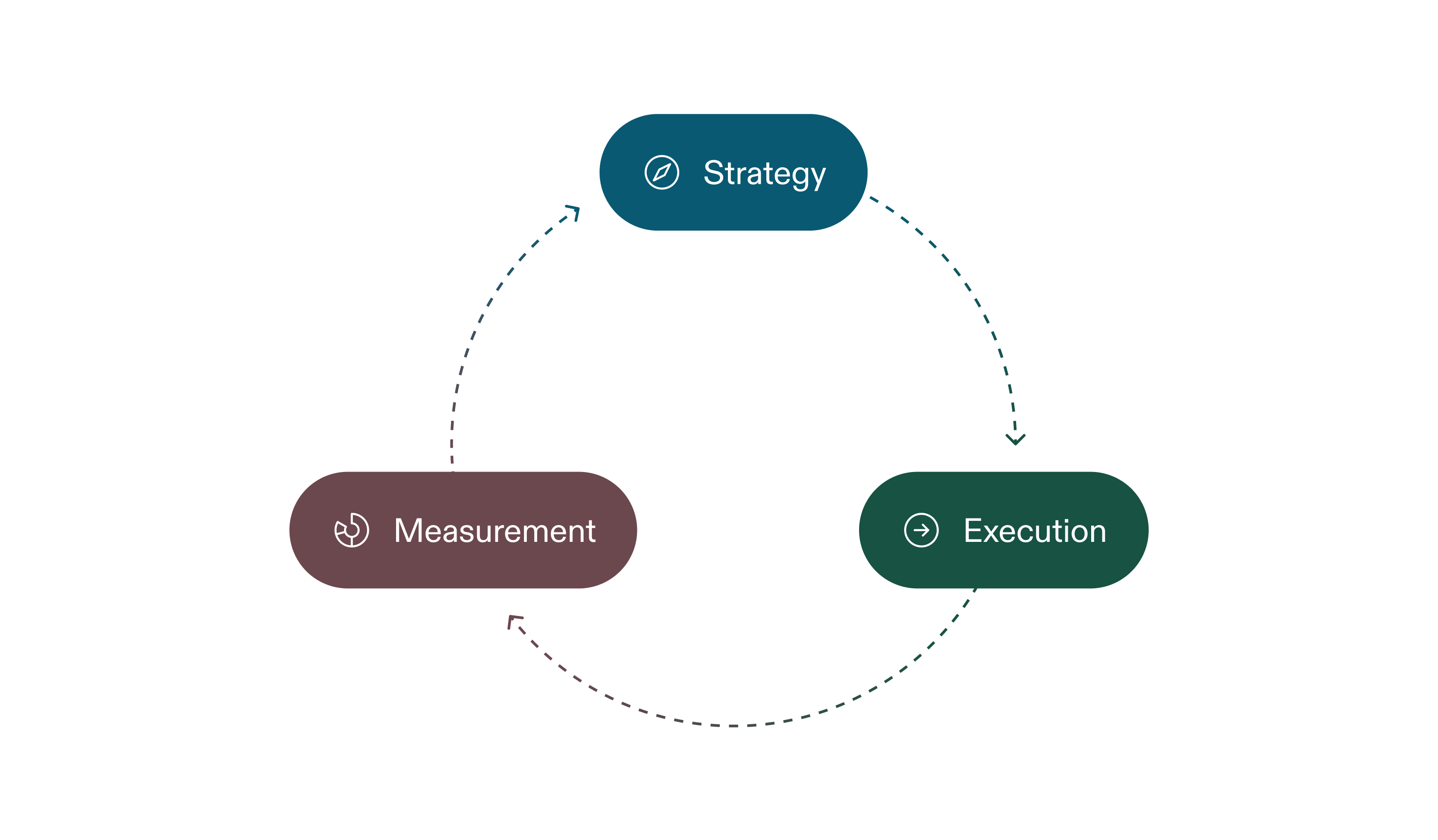
A clear financial advisor marketing strategy creates direction and consistency. When you document your plan, choose channels with purpose, and track results, marketing becomes easier to manage over time. Each piece covered in this guide works best when treated as part of one connected system.
Key Takeaways:
- A written financial advisor marketing plan sets priorities and reduces guesswork.
- Digital marketing, content, and SEO work together rather than operating alone.
- Compliance applies to every channel, from websites to email and social posts.
- Content marketing for financial advisors compounds over time and attracts informed prospects.
- Consistent execution delivers better results than waiting for a perfect setup.
Next Step:
Savvy Wealth works with advisors who want predictable growth through focused marketing. If you want guidance on building and executing a financial advisor marketing strategy, book a personalized consultation to see how Savvy Wealth can support your next stage of growth.



Steven Cherucheril is the Head of Marketing at Savvy, where he leads go-to-market strategy and oversees Savvy’s internal marketing agency, helping advisors attract new clients. Prior to Savvy, Steven was part of the M&A and growth team at Thrasio, an e-commerce aggregator, and before that spent several years in management consulting at West Monroe working with technology companies.
 Contact a Savvy advisor