


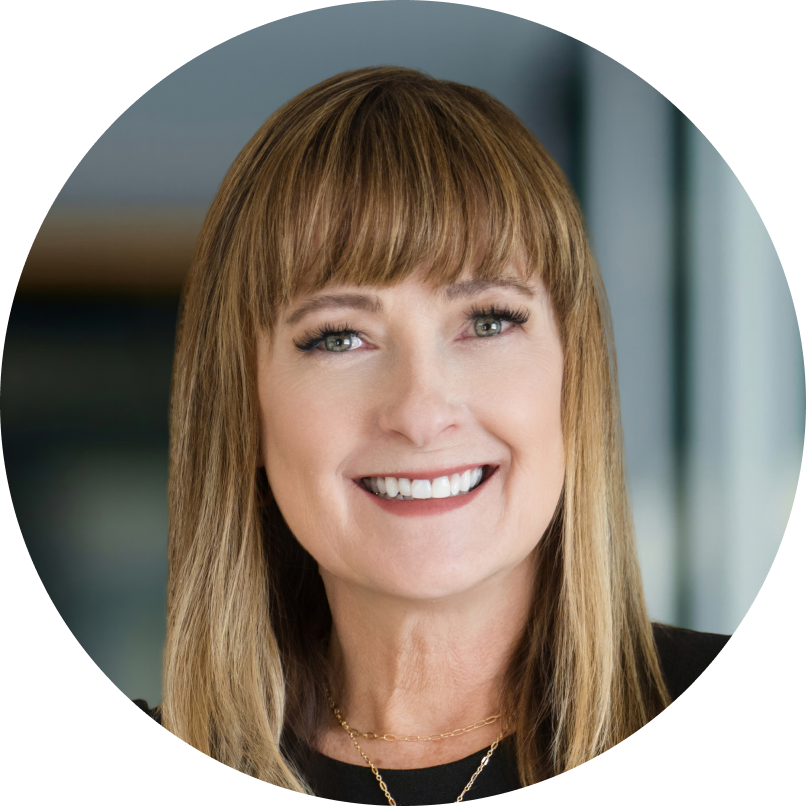
Cindy Alvarez spent years building a practice focused on serving women investors and implementing tax-efficient private market strategies. When her previous firm was sold, she evaluated several options before choosing Savvy. We sat down with Cindy to understand what drove her decision and what partnership with Savvy enables for her clients.
How did you get started as a financial advisor?
I became a do-it-yourself investor probably 35 years ago. This might've been when E-Trade first launched, if you can believe it. I took a little bit of my savings and started investing, and didn't realize at the time that I had such a passion for economics relative to the stock market and our geopolitical environment.
My career change came a little bit later in life after I had started a women's investment club in the community where I live. Once I realized how much I enjoyed the collaboration, I decided to get licensed and worked for a small RIA practice. Eventually I saw that practice selling and started looking at other firms, with Savvy being one of them.
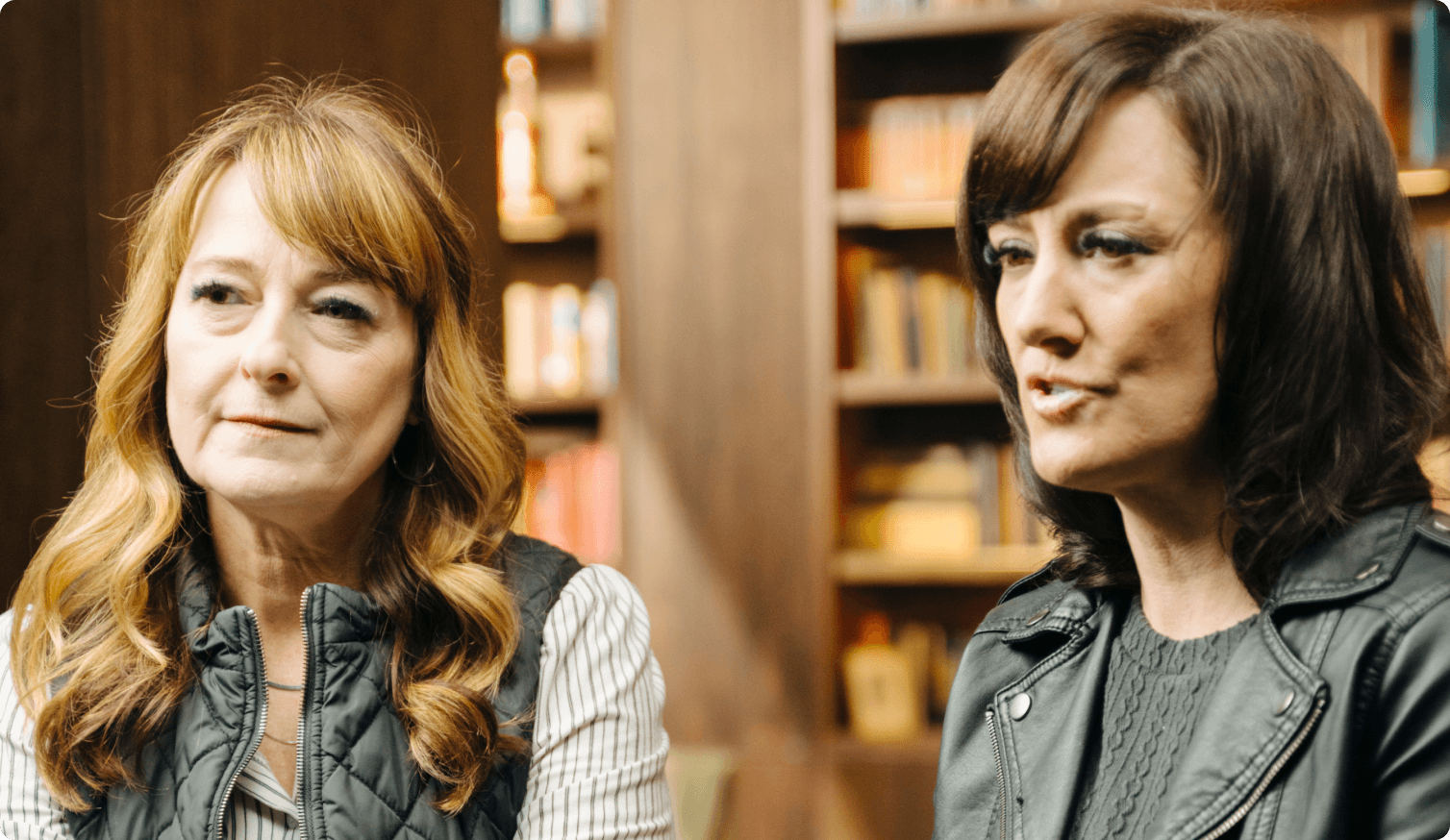
Tell us about Colorado Wealth Group. How did you get started?
We created Colorado Wealth Group about 11 years ago. The idea was to walk away from the typical nationwide big box firm and do something more boutique and customized. My business partner Jacob Ray and I just leapt into the deep end together.
We started helping maybe 40 or 50 client households and oversaw about $8-10 million under management. Since then, we've grown to about $300 million.
6X growth in 5 years is no small feat. What’s your secret?
What really sets us apart is that we're not just driven by assets under management. We simply want to give good financial advice.
To facilitate this, we created a program that allows people to use our services without having to move their assets right away. It lowers the barrier of entry. The analogy I use is: you get a chance to date us before you marry us.
Hiring a financial advisor is nerve-wracking. It feels like a big commitment. This approach allows them to pay a fee that any middle-income household can afford, get to know the team in the process, and by the time they're done with their financial plan, 98% of the time they're asking us to manage their money.
It's a win-win because we're getting compensated while we're generating and nurturing a lead.
Other firms don't do it this way because it slows down the process. We just believe the right way to do it is the slow way. We set roots, we over-deliver on value, and we give them the full bear hug.
You were running the business all on your own. What made you start looking for a partner?
From mid-2020 to the end of 2025, we grew from about $50 million to $300 million. That growth came with some serious growing pains.
There’s a lot of reverence around being fully independent — we can do what we want, we have full agility, we can pick and choose our tech stack. But it comes with a world of paper cuts. You have to run your own compliance, your own billing, you're your own HR team, your marketing and design team, everything.
At some point, it becomes decision paralysis. We realized there had to be a way to create some synergy.
Early in 2025, Jacob went on a warpath to figure out our future with technology. At FutureProof that spring, somebody mentioned Savvy to him. He started bringing ideas back to me, and suddenly I had meetings popping up on my calendar with Savvy and dozens of other firms.
Why did you ultimately choose Savvy?
We felt like they truly understand where the future is headed in the industry. One of Savvy's taglines is "reinventing the future of wealth management," and we're bought into that.
Honestly, if we were going to stay independent, we either needed to become a tech company or merge with one. We chose partnership with Savvy so we can have an imprint on what they're doing — because we've built a lot of success and we think we can help Savvy in some ways. But on the flip side, we're plugging into infrastructure and benefiting from great technology that we don't have to worry about anymore. The operations, the billing, the compliance — all those things are tucked in now.
When we interviewed with other RIAs, their tech presentations were very underwhelming. It was just "here's what we use, this plugs into this and that." You know what? It's probably fine. But fine is not good enough for us. We don't want fine.
We don’t settle for “just fine,” and neither does Savvy.

Being fully independent sounds great, but it comes with a world of paper cuts — compliance, billing, HR, marketing, everything.
What impressed you most during the evaluation process?
How quickly Savvy ships new features based on advisor feedback. When we say "this is how we're used to working and we really need this feature," the lightning speed that the engineers can put something together is pretty impressive. I think that will keep Savvy ahead of the pack if that mentality maintains, because one downside of our industry is how slow it moves.
Also, throughout the recruitment process, everyone at Savvy was incredibly forthcoming. We got to talk to other advisors, some who came from other firms and some who had been at Savvy for years. I spoke with Matt Nelson, who runs Perspective Six up in Minnesota, and he was instrumental in opening up my mind to how much Savvy listens and collaborates with advisors.
What was consistent is that everyone's in it to win it. You meet with anybody at Savvy and they're all pretty lit up about being there.
What does this partnership enable for your business?
Multiple things, but the main one is sustaining our growth.
We needed Savvy to take things off our plate so I could free up time, and it's already been impactful. I've been able to take on more client consultations. I want to meet new clients, have those conversations, start good relationships, and then pass them on to other people on the team who can close the business and move assets. But in order to do that, I need free time on my calendar. Offloading administrative tasks gives us that.
What does success look like for you?
The ability to sustain and amplify our growth while delivering a better client experience.
Before, we had control over 100% of our revenue, but we also had 100% of the liability and 100% of the expenses. Now we get less than 100% of our revenue, but we've offloaded tasks that should allow us to grow by 40%+ per year versus 30%. If we can get an extra 10% a year of growth, the numbers all make sense.

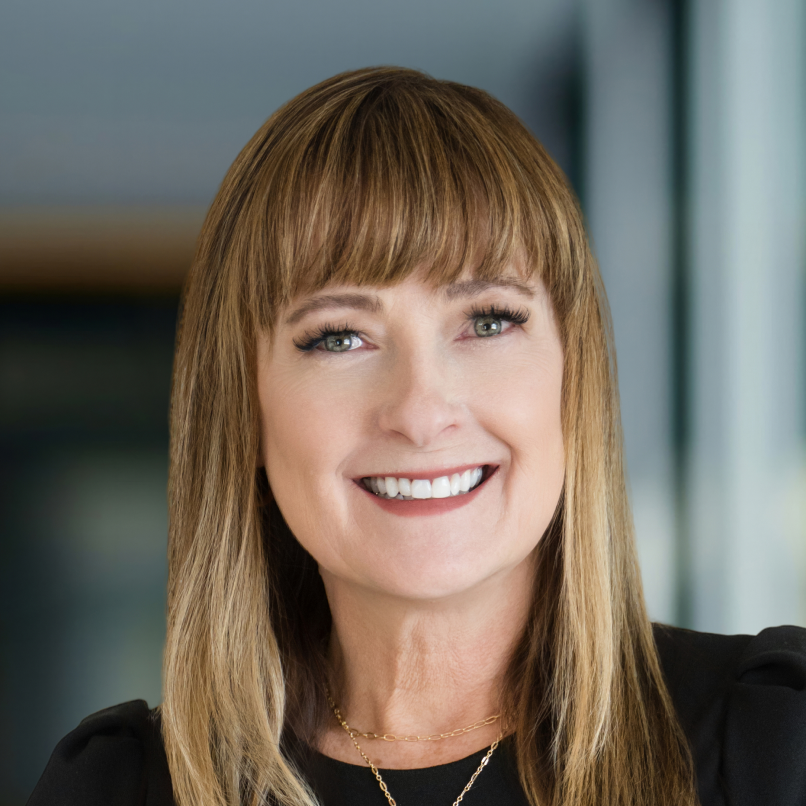
Hello! I'm Cindy. I work with a diverse group of clients to help navigate complex financial decisions by offering personalized financial and tax planning strategies. I help with decision-making when it comes to the more simple tasks of how to fund home down payments, when to take Social Security, how to exercise stock options, when to sell a business, and how to financially navigate divorce. There are more complex tasks that require tax and estate planning strategies where private market investments come into play.


Why Colorado Wealth Group Partnered with Savvy: A Q&A with Steven Harp

Colorado Wealth Group grew from $50M to $300M AUM in just five years as an independent firm. So why did founder Steven Harp decide to partner with Savvy? We sat down with Steven to understand what drove the decision and what it means for his team's future.

Tell us about Colorado Wealth Group. How did you get started?
We created Colorado Wealth Group about 11 years ago. The idea was to walk away from the typical nationwide big box firm and do something more boutique and customized. My business partner Jacob Ray and I just leapt into the deep end together.
We started helping maybe 40 or 50 client households and oversaw about $8-10 million under management. Since then, we've grown to about $300 million.
6X growth in 5 years is no small feat. What’s your secret?
What really sets us apart is that we're not just driven by assets under management. We simply want to give good financial advice.
To facilitate this, we created a program that allows people to use our services without having to move their assets right away. It lowers the barrier of entry. The analogy I use is: you get a chance to date us before you marry us.
Hiring a financial advisor is nerve-wracking. It feels like a big commitment. This approach allows them to pay a fee that any middle-income household can afford, get to know the team in the process, and by the time they're done with their financial plan, 98% of the time they're asking us to manage their money.
It's a win-win because we're getting compensated while we're generating and nurturing a lead.
Other firms don't do it this way because it slows down the process. We just believe the right way to do it is the slow way. We set roots, we over-deliver on value, and we give them the full bear hug.
You were running the business all on your own. What made you start looking for a partner?
From mid-2020 to the end of 2025, we grew from about $50 million to $300 million. That growth came with some serious growing pains.
There’s a lot of reverence around being fully independent — we can do what we want, we have full agility, we can pick and choose our tech stack. But it comes with a world of paper cuts. You have to run your own compliance, your own billing, you're your own HR team, your marketing and design team, everything.
At some point, it becomes decision paralysis. We realized there had to be a way to create some synergy.
Early in 2025, Jacob went on a warpath to figure out our future with technology. At FutureProof that spring, somebody mentioned Savvy to him. He started bringing ideas back to me, and suddenly I had meetings popping up on my calendar with Savvy and dozens of other firms.
Why did you ultimately choose Savvy?
We felt like they truly understand where the future is headed in the industry. One of Savvy's taglines is "reinventing the future of wealth management," and we're bought into that.
Honestly, if we were going to stay independent, we either needed to become a tech company or merge with one. We chose partnership with Savvy so we can have an imprint on what they're doing — because we've built a lot of success and we think we can help Savvy in some ways. But on the flip side, we're plugging into infrastructure and benefiting from great technology that we don't have to worry about anymore. The operations, the billing, the compliance — all those things are tucked in now.
When we interviewed with other RIAs, their tech presentations were very underwhelming. It was just "here's what we use, this plugs into this and that." You know what? It's probably fine. But fine is not good enough for us. We don't want fine.
We don’t settle for “just fine,” and neither does Savvy.
Being fully independent sounds great, but it comes with a world of paper cuts — compliance, billing, HR, marketing, everything.
What impressed you most during the evaluation process?
How quickly Savvy ships new features based on advisor feedback. When we say "this is how we're used to working and we really need this feature," the lightning speed that the engineers can put something together is pretty impressive. I think that will keep Savvy ahead of the pack if that mentality maintains, because one downside of our industry is how slow it moves.
Also, throughout the recruitment process, everyone at Savvy was incredibly forthcoming. We got to talk to other advisors, some who came from other firms and some who had been at Savvy for years. I spoke with Matt Nelson, who runs Perspective Six up in Minnesota, and he was instrumental in opening up my mind to how much Savvy listens and collaborates with advisors.
What was consistent is that everyone's in it to win it. You meet with anybody at Savvy and they're all pretty lit up about being there.
What does this partnership enable for your business?
Multiple things, but the main one is sustaining our growth.
We needed Savvy to take things off our plate so I could free up time, and it's already been impactful. I've been able to take on more client consultations. I want to meet new clients, have those conversations, start good relationships, and then pass them on to other people on the team who can close the business and move assets. But in order to do that, I need free time on my calendar. Offloading administrative tasks gives us that.
What does success look like for you?
The ability to sustain and amplify our growth while delivering a better client experience.
Before, we had control over 100% of our revenue, but we also had 100% of the liability and 100% of the expenses. Now we get less than 100% of our revenue, but we've offloaded tasks that should allow us to grow by 40%+ per year versus 30%. If we can get an extra 10% a year of growth, the numbers all make sense.

Hi, I’m Steven. As the Founder and CEO of Colorado Wealth Group, my vision is to make a positive impact on the community by serving as a true fiduciary to our clients and their goals. We focus on personalized financial planning designed to help our clients navigate life’s decisions with confidence and purpose. My approach centers on building long-term relationships, simplifying complex financial topics, and creating strategies that align with what matters most to each client.


