



Digital Marketing for Financial Advisors: What Actually Works

Digital marketing for financial advisors has become a core part of how prospects learn, compare, and choose who they want to work with. Traditional outreach alone no longer matches how people research advisors today, so we’ll walk you through what actually moves the needle online. You’ll get a simple breakdown of what digital marketing means in this industry, how each channel plays a different role, and what you need in place before you start.
Here's a quick look at what we’ll cover below:
- What digital marketing includes for advisors
- How strategy connects every channel you use
- The platforms worth your time
- How to turn traffic into booked meetings
- Key metrics and compliance considerations
Setting the Digital Foundation for Success
Before you choose channels or create content, you need a clear plan that guides every digital move you make. In fact, advisors with a defined strategy generate 168% more leads per month from their websites and onboard 50% more clients per year. Below, we’ll explain why this foundation is crucial and how to build it.
Why a Digital Strategy is Non-Negotiable Today
Most prospects start their search online long before they reach out to an advisor. They compare services, read articles, check credentials, and look for signals that show who understands their needs. A clear digital strategy puts you in front of them during those early steps. It sets the tone for how you show your experience, share your point of view, and present what you offer. When people can learn about you before they call, the first meeting is easier and more productive for everyone.
The Blueprint: Tying Digital Tactics to Your Financial Advisor Marketing Plan
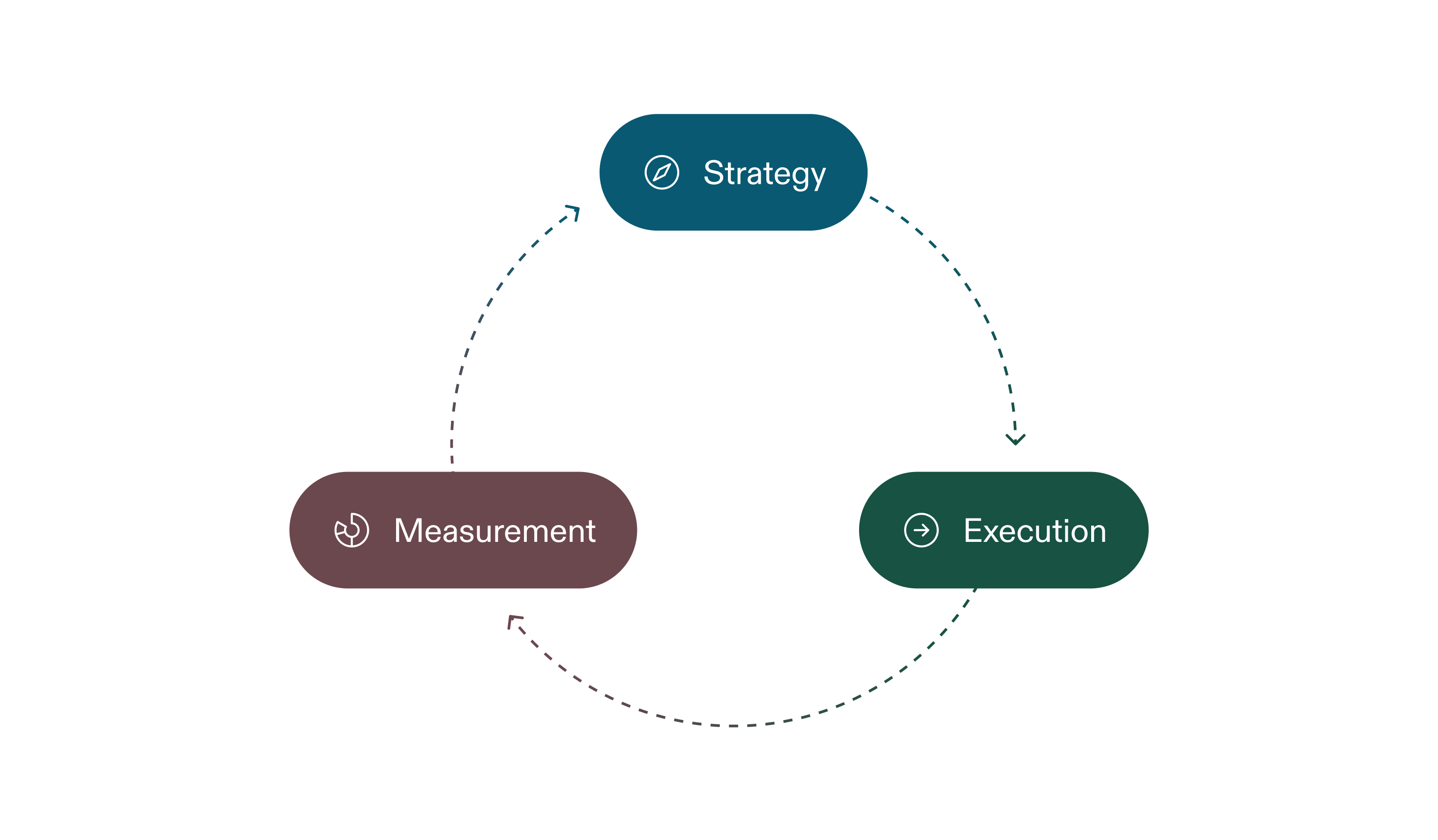
A documented marketing plan gives your digital efforts structure and direction. It outlines who you want to reach, the goals you’re working toward, and how much time and budget you will dedicate to each channel. From there, every tactic has a clear purpose. Social platforms raise awareness, email keeps prospects engaged, and search lets people find you when they need guidance. When each channel has a defined job, it’s easier to understand what’s working and where to adjust.
Essential Digital Marketing Channels that Drive Leads
You don’t need to be active everywhere to see results. Most advisors do better when they start with a few channels and get consistent. Below, we’ll cover the platforms that typically deliver the strongest return when used with a clear plan.
Mastering LinkedIn Marketing for Financial Advisors
LinkedIn is the most valuable social platform for financial advisors because users come ready to discuss money, careers, and long-term planning. Begin with a clean profile: a clear headshot, a headline that names your niche, and a summary that explains who you serve and what they can expect from you.
Furthermore, post content that sparks conversation instead of selling. Industry insights, short videos, and reactions to timely market news work well. Also, be sure you’re active a few times a week, ideally during morning or early afternoon hours when engagement tends to rise.
You can use LinkedIn to reach out directly to prospects, centers of influence, and local professionals as well. Remember to keep messages short, friendly, and compliant, as well as avoid anything promotional.
Financial Advisor Email Marketing: Nurturing Leads to Clients
Email remains one of the highest-ROI (Return on Investment) channels for advisors. Sending 5-8 emails per month generates the strongest returns, averaging $48 for every $1 spent. Segment your list so prospects and clients receive content that fits their stage of the relationship.
Reliable email types include short newsletters, market updates, how-to guidance, and invites to webinars or local events. Typically, the best days to send emails are Tuesday through Thursday, with late morning delivery between 10:00 a.m. and 12:00 p.m showing the most consistent engagement.
Furthermore, strong subject lines improve open rates, and clear calls to action make it easy for readers to take the next step. Over time, a steady email rhythm keeps your name familiar and encourages prospects to reach out when they’re ready.
Leveraging Online Marketing for Financial Advisors Through Search & Ads
Search plays a direct role in how people find advisors. SEO focuses on long-term visibility, while paid search (PPC) gives you faster placement with tight control over who sees your ads. PPC lets you target specific locations, interests, or financial needs, which works well for niche practices.
Retargeting ads can also keep you visible to warm leads who have visited your site but haven’t reached out yet. Many advisors use Facebook to reach defined audiences with clear messaging and steady follow-up as well.
Lead Generation for Financial Advisors: The Conversion Funnel
Substantial traffic is only helpful if it turns into actual conversations. Lead generation for financial advisors depends on clear offers, focused landing pages, and consistent follow-up. Below, we’ll walk you through how to create digital assets that convert and how to manage the leads you capture.
Creating High-Converting Digital Assets (Webinars, Ebooks, Checklists)
Lead magnets exchange valuable information for a prospect’s contact details. Webinars, ebooks, and checklists work well because they answer actual questions people have during retirement planning, tax planning, or significant life changes.
Practical examples include a tax-strategy session, a Social Security timing guide, or an ultimate retirement checklist. Each asset should speak to a specific concern for your audience instead of trying to cover everything at once. When the topic is clear and relevant, more visitors will share their information and join your list.
The Power of Landing Page Optimization
A landing page directs visitors toward one action, such as downloading a guide or signing up for a webinar. Removing navigation and extra links keeps the focus on the form as well.
Pages convert best when they use a clear headline, short copy, a simple form, and social proof. The financial services industry sees median landing page conversion rates between 6.2% and 8.4%, well above the 4.3% general average. Furthermore, Small A/B tests on headlines, images, or button text can lift results over time.
CRM for Financial Advisors: The Core of Client Management
A CRM (Customer Relationship Management) for financial advisors connects your digital marketing with the way you manage leads. It becomes the place where email activity, form fills, website visits, and follow-up tasks come together. This makes it easier to remain organized and respond at the optimal time.
Key features include automated nurturing emails, lead scoring, and reminders for outreach. A specialized CRM for financial advisors also accounts for compliance needs and integrates with the tools you use every day. Savvy’s CRM supports advisors with these functions and keeps everything in one system.
In fact, companies that invest in CRM see a 300% increase in conversion rates and earn $8.71 for every $1 spent.
Measuring Success and Staying Compliant
Every digital effort needs regular review, from ad spend to email performance. Tracking the essential numbers keeps your marketing grounded, and following compliance rules protects both you and your clients. Below, we’ll explain what to measure and how to ensure you stay within industry guidelines.
Key Metrics: Tracking ROI on Your Digital Spend
A few core metrics show whether your digital marketing is working. Cost Per Lead (CPL) lets you know what each new contract costs, while website traffic shows how many people are finding you. Conversion rate highlights how many visitors take action, and Customer Acquisition Cost (CAC) shows what it takes to bring on a new client.
When you tie these numbers back to your goals and marketing plan, it becomes easier to see which channels deserve more attention and which might need a different approach.
Navigating Digital Marketing Compliance for Financial Professionals
Digital communication brings clear benefits, but compliance rules still apply. Advisors must follow SEC (U.S. Securities and Exchange Commission) and FINRA (Financial Industry Regulatory Authority) standards, which include archiving messages, reviewing content before it goes live, and keeping personal client information secure.
Frequent issues include sharing testimonials without the proper disclosures, using language that suggests guaranteed results, or posting hypothetical performance claims.
To remain on track, use tools that store communications properly and create an internal review step for anything published online. A steady review process removes uncertainty and keeps your digital presence clean and consistent.
Build Your Personal Digital Marketing Playbook
If running your own digital marketing seems like a stretch, that’s understandable. You didn’t become a financial advisor to spend your days writing emails, planning content, or managing campaigns. That’s where Savvy comes in.
Savvy offers advisors dedicated marketing support designed to drive steady growth without adding more to your plate. Our full-service approach turns proven strategies into actual execution, with experienced creative, PR support, and lead generation built in.
From day one, we work with you to shape a marketing strategy that highlights what makes your practice different and attracts the clients you actually want to work with. From email sequence to niche blog content, we write in your voice and focus on topics that are important to your audience.
For example, Ryan Bond came to Savvy looking to re-engage dormant accounts. We built a six-email drip campaign that blended short, practical insights with deeper guidance on estate planning, retirement readiness, and major financial decisions. The results were clear:
- 40% open rate
- 2 new clients signed
- 3 qualified leads generated
- 2o hours saved
Key Takeaways:
- A documented plan gives every channel a clear purpose.
- Strong lead magnets and focused landing pages lift conversions.
- A CRM for financial advisors connects your marketing with follow-up.
- Tracking a few core metrics keeps your efforts on the best path.
- Consistent compliance checks protect your business online.
Next Steps:
Ready to put these proven digital strategies into action with compliant technology? Request a personalized demo from Savvy Wealth today!
Read More:



Steven Cherucheril is the Head of Marketing at Savvy, where he leads go-to-market strategy and oversees Savvy’s internal marketing agency, helping advisors attract new clients. Prior to Savvy, Steven was part of the M&A and growth team at Thrasio, an e-commerce aggregator, and before that spent several years in management consulting at West Monroe working with technology companies.

Works Cited
1 How Much Financial Advisors Should Spend on Marketing
2 The Most Efficient Financial Advisor Marketing Strategies And The True Cost To Acquire A Client
3 2026 Marketing Budget Planning for Financial Advisors
4 Financial Firm Marketing Costs: Benchmarks, Budgets, and Where to Invest