


.jpg)
How to Build a Financial Advisor Marketing Plan (Step-by-Step Guide)

A marketing plan gives structure to your financial advisor marketing strategies and turns irregular referrals into a steady flow of new clients. In fact, advisors who follow a defined strategy bring in an average of 21 clients a year, as opposed to 14 for those without one. Below, we’ll walk you through each step so you can build a clear, compliant plan that outlines where you’re going and how you’ll get there.
Here’s a quick look at what you’ll be able to do after following this guide:
- You’ll define your message and ideal audience.
- You’ll set measurable goals and a practical budget.
- You’ll choose channels that match how your clients search and interact.
- You’ll map out a 90-day calendar you can stick to.
- You’ll track progress and keep everything compliant.
Phase 1: Clarify Your Practice and Define Your Audience
Before you choose tactics or spend money, you need a clear picture of what you offer and who you serve. Below, we’ll help you shape your message and focus your efforts on the clients who are the best fit.
Step 1: Define Your Unique Value Proposition (UVP)
Your UVP explains what makes your practice unique. It could be your fee structure, your niche, or the way you guide clients through decisions. You’ll want to avoid using broad phrases that any other advisor might say. Instead, focus on specific outcomes that you deliver.
A simple way to build your UVP is to start with this prompt:
“I help [Audience] achieve [Goal] by doing [Method].”
For example, “I help tech professionals prepare for early retirement by giving clear, year-round tax planning guidance.
The more specific you are, the easier it becomes for clients to understand why they should work with you.
Step 2: Identify and Sgment Your Target Audience (Ideal Client Profile)
A clear niche makes your marketing sharper and easier to manage. Your niche could be small business owners, pre-retirees, or tech executives. The STP framework (Segmentation, Targeting, and Positioning) lets you sort groups, choose your focus, and tailor your message.
Furthermore, think about two types of needs your ideal client brings to the table:
- Financial Needs: Retirement planning, 401(k) rollovers, tax planning
- Emotional Needs: Clarity, reassurance, steady guidance
At Savvy, we’ve created over 100 marketing strategies for advisors in our network, and every plan starts the same way: choosing a clear target market. Advisors who define who they serve can create more focused messaging and avoid spreading their efforts too thin.
You can also draw from actual examples, such as Brad Morgan at Savvy Wealth, who focuses on working with Procter & Gamble employees. A focused niche such as this gives prospects a specific reason to reach out.
Phase 2: Set Measurable Goals and Define the Budget
Once you know your audience, you can build a marketing plan for financial advisors that sets clear targets and a budget you can follow. This keeps your efforts focused and gives you a way to measure progress over time.
Step 3: Establish SMART Marketing Objectives
SMART goals give you direction. They are Specific, Measurable, Achievable, Relevant, and Time-bound. Instead of broad aims like “grow the business,” choose goals you can track.
For example, you might aim to raise qualified leads by 20% over six months or increase website traffic by 50% a year. You can also set lead benchmarks, such as needing about 10 leads to bring on one new client.
Client acquisition gives practical context here, as the average cost to bring on a new client is $3,1119, with about $2,600 of that tied to advisor time and only $519 actually tied to actual marketing spend. This number actually rose from about $2,200 in 2021 to $3,800 in 2023, therefore making clear goals even more valuable.
Step 4: Allocate Your Marketing Budget Effectively
Your budget shapes where you spend your time and energy. Solo advisors often put 5-10% of revenue toward marketing, and you can adjust this number based on your growth plans. High-growth firms typically allocate 2-3% of annual revenue, while more established practices range between 1-10%.
Make sure to break your budget into a few main areas:
- Digital: Website updates, SEO tools, basic tech
- Content Creation: Blogs, videos, outsourced writing
- Events and Networking: Speaking, workshops, community outreach
It’s also beneficial to think about your Client Acquisition Cost (CAC). Tracking CAC shows which channels perform well and which need a lighter touch. A mix of steady channels and new tests can keep your marketing fresh, much like diversifying how clients invest their money.
Phase 3: Choose Your Channels and Tactics
With your goals in place, you can choose the channels that match how your audience searches, reads, and interacts. This lets you avoid spreading yourself too thin and gives your plan a clear direction.
Step 5: Select High-Impact Channels
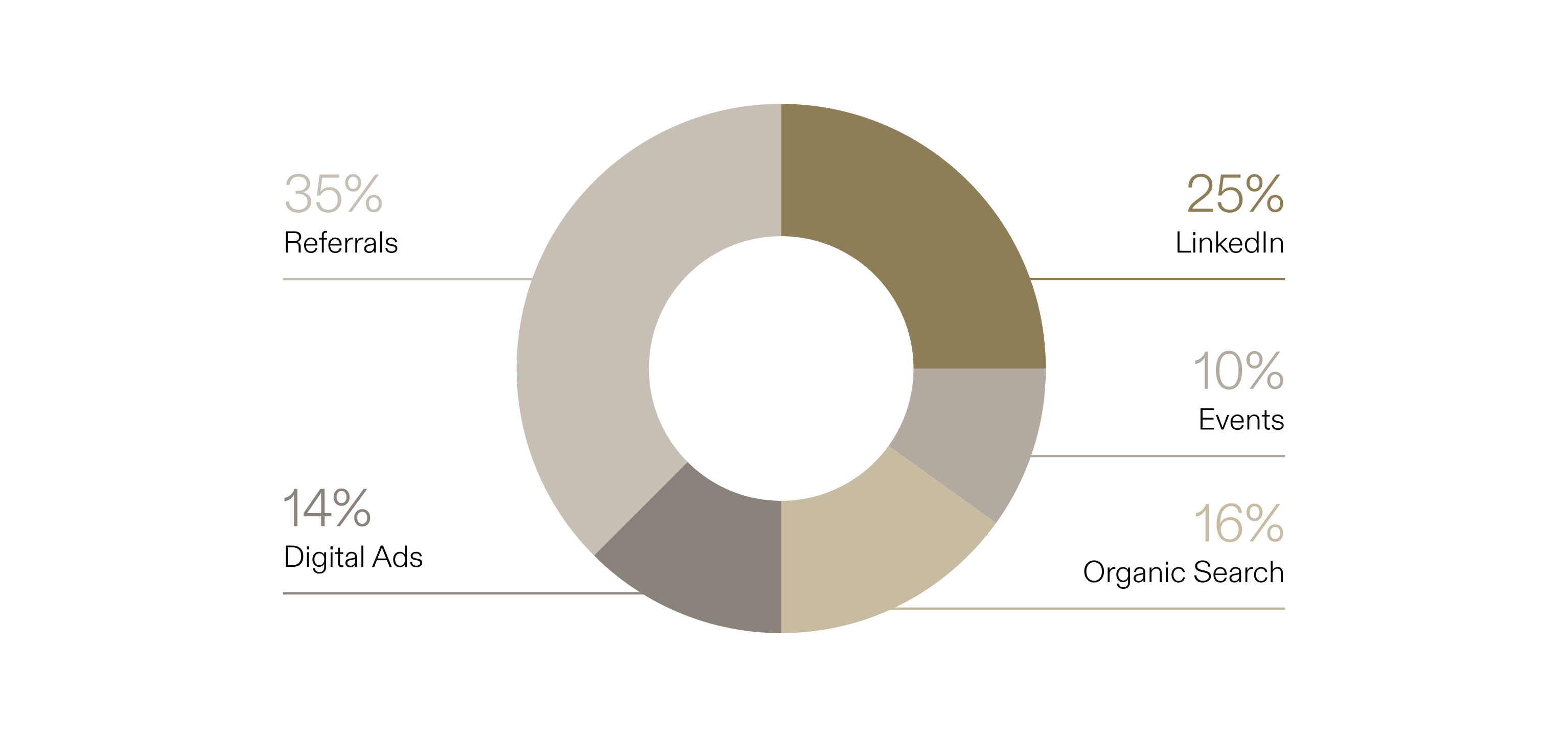
You have a lot of options, but the most effective choices for advisors typically fall into a few categories. LinkedIn is beneficial for establishing professional authority and staying visible to your network. SEO and blogging bring in organic traffic from people searching for answers, while email gives you a direct way to keep in touch and move prospects toward a meeting. PR can also raise your visibility through interviews, quotes, or local coverage, while Facebook can play a role for advisors who want to remain invisible with local communities, groups, or personal networks as well.
Most marketing tips for financial advisors point toward focusing on one or two channels where your ideal client already spends time. This creates a simple “marketing mix” built around inbound efforts like SEO and outbound efforts like networking. Keeping the mix small makes it easier to be consistent.
Step 6: Create a 90-Day Marketing Calendar
A yearly plan sets direction, but a 90-day calendar makes it workable. Think of it as the short-term version of your annual plan. It keeps you on track with steady publishing and outreach.
Your calendar can include items such as:
- Blog post titles and publish dates
- LinkedIn post ideas
- Email topics
- Promotion notes, such as sharing a blog post on LinkedIn or in a newsletter
Simple tools like Trello or Google Sheets make it easy to map everything out. A 90-day window gives you enough structure, so you stay organized without locking you into a long timeline.
Phase 4: Measurement, Compliance, and Scaling
Once your plan is in motion, you need a clear way to track progress, stay compliant, and adjust as your practice grows. These steps ensure you remain consistent and keep your plan running well over time.
Step 7: Track Key Performance Indicators (KPIs)
Your KPIs show you what’s working and what needs attention. Focus on metrics that tie directly to growth, such as Qualified Lead Count, Conversion Rate (Lead-to-Client), and Website Traffic. These numbers give you a quick read on whether your outreach is moving prospects forward.
Also, pay attention to engagement on your content. Time on page and bounce rate can show whether readers stay interested. A CRM (Customer Relationship Management) ties everything together by giving you a complete view of the client journey, from first touch to meeting to new client. This ensures you identify patterns in how to get clients as a financial advisor, too.
Furthermore, conversion rates provide context. Average financial lead conversion rates fall between 5% and 8%, while top performers can reach 23%. Inbound leads from content and SEO often convert at 3-8% as well, and referrals continue to outperform other channels. Tracking these benchmarks keeps your expectations grounded.
Step 8: Ensure Marketing Compliance (SEC & FINRA)
Marketing for advisors comes with regulatory rules that you need to follow. Everything you publish, such as blogs, posts, emails, social posts, and videos, must meet SEC (Securities and Exchange Commission) and FINRA (Financial Industry Regulatory Authority) requirements.
The SEC Marketing Rule plays a significant role here. It covers how you use testimonials, how you present performance information, and what kinds of disclosures you need to include. Make sure each piece of content goes through a documented review before it goes live.
Using platforms designed for advisor marketing makes this a lot easier, mainly when they include approval workflows or archiving features. A steady review process lets you share valuable content without running into any compliance issues.
For example, advisors in Savvy’s network don’t have to manage this alone. All marketing content runs through compliance reviews that are built directly into their marketing workflows. This allows advisors to remain visible and consistent without second-guessing whether content meets regulatory standards.
Bringing Your Marketing Plan to Life
A good plan gives you direction, ensures you stay consistent, and makes your outreach easier to manage week after week. Breaking the work into clear steps lets you create a system that you can follow and adjust as your practice grows.
Key Takeaways:
- A clear message and niche make your marketing easier to focus and easier for prospects to understand.
- SMART goals keep you grounded and give you a simple way to track progress.
- Your budget should match your growth plans and stay centered on a few high-impact channels.
- A 90-day calendar keeps your plan organized and practical.
- Monitoring KPIs and staying compliant keeps your marketing steady over time.
Next Steps:
Explore More Advisor Marketing Guides:
- Digital Marketing for Financial Advisors: What Actually Works
- Content Marketing for Financial Advisors: A Practical Playbook
- 21 Financial Advisor Marketing Ideas to Grow Your Practice in 2025
- SEO for Financial Advisors 101
Ready to put your plan into action? Book a strategy session with Savvy Wealth today!



Steven Cherucheril is the Head of Marketing at Savvy, where he leads go-to-market strategy and oversees Savvy’s internal marketing agency, helping advisors attract new clients. Prior to Savvy, Steven was part of the M&A and growth team at Thrasio, an e-commerce aggregator, and before that spent several years in management consulting at West Monroe working with technology companies.

Works Cited
1 How Much Financial Advisors Should Spend on Marketing
2 The Most Efficient Financial Advisor Marketing Strategies And The True Cost To Acquire A Client
3 2026 Marketing Budget Planning for Financial Advisors
4 Financial Firm Marketing Costs: Benchmarks, Budgets, and Where to Invest